
Why Companion Volunteers Matter
When asked how she was doing in her new home, she said this:
What do you think she meant by “…there is no one here just for me?” Even in an active care community filled with staff, feelings of loneliness and disconnection can run deep. Because everyone needs someone they can trust, confide in, laugh with, and feel truly seen by.
I have a lot of people around me, nurses, aides, but there is no one here just for me.
“To be human is to be loved and to have someone to love — and as far as I can tell, I am still human.”— Clarence, 92 years of age
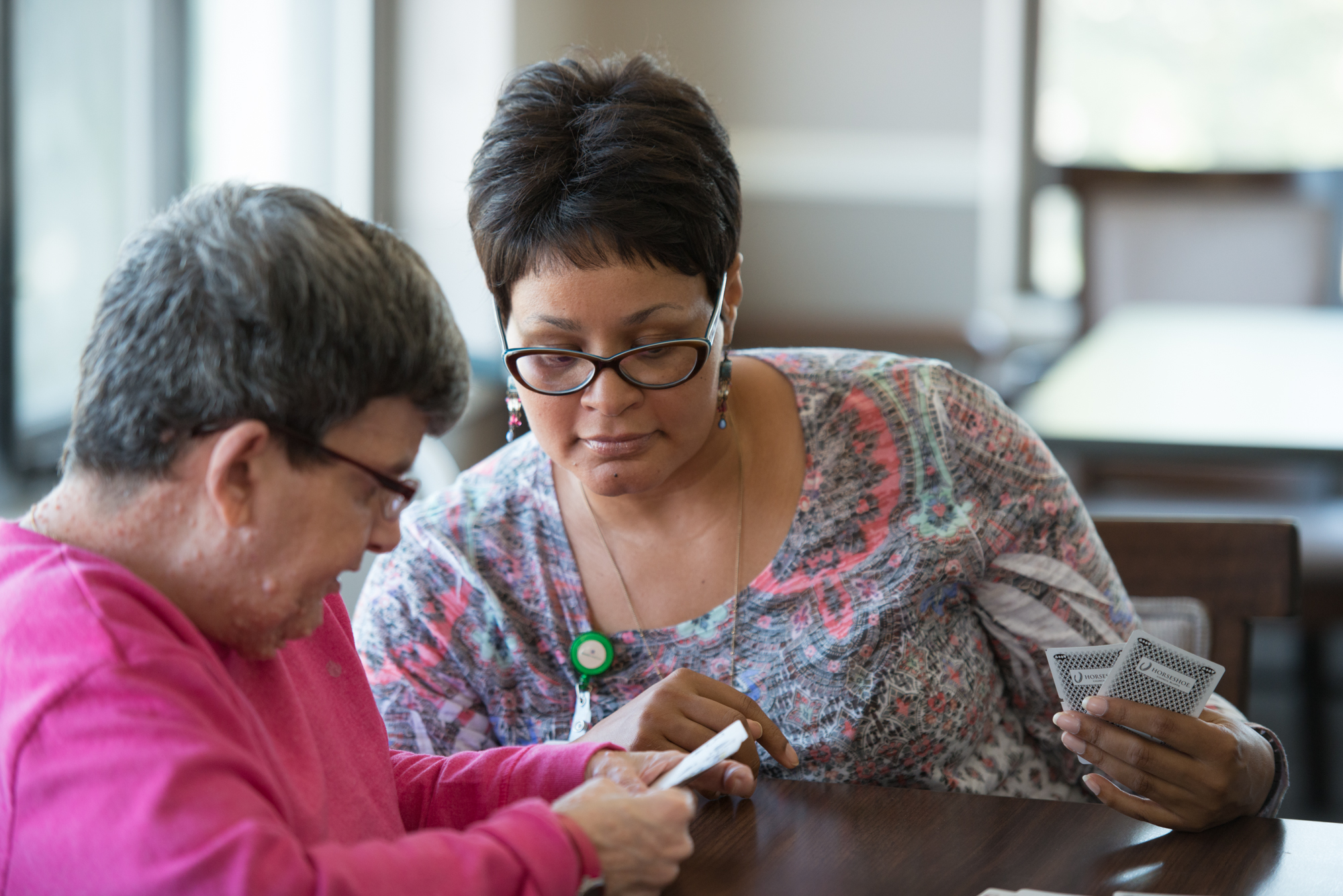


And that’s where you come in…
Companion volunteers — recruited, screened, and trained — can be that “someone.” Loneliness, isolation, and disconnection aren’t just painful. They can lead to people giving up. Many of the people living in long-term care have few or no visitors. That’s where you, as a companion volunteer, make a profound difference.

Research shows that people without regular contact with friends or family face significantly higher risks — including premature death. Your presence isn’t just kind. It can be life-saving.
What You’ll Gain
By completing the volunteer training, you’ll learn the insights and skills needed to become a consistent, meaningful presence in someone’s life — someone who brings belonging, warmth, and a reason to look forward to tomorrow.
The training is interactive and engaging, with opportunities to respond to questions, reflect, brainstorm, and learn alongside other volunteers.
The training was developed with input from long-term care professionals and is regularly updated as new research and best practices emerge.
Certificate of Completion
- Interactive training developed with long-term care professionals
- Engaging video lessons, reflections, and exercises
- Learn alongside fellow volunteers
- Earn your certificate to share with the volunteer manager at your care community
- Regularly updated with new research and best practices